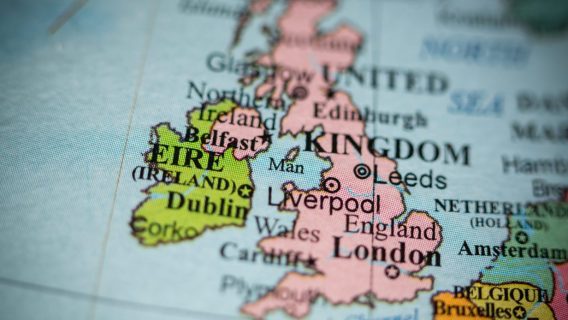
On 22 November 2021, the second reading of the Northern Ireland (Ministers, Elections and Petitions of Concern) Bill is scheduled to take place in the House of Lords.
The bill would implement aspects of the January 2020 New Decade, New Approach deal that require primary legislation in Westminster. The deal was agreed by the five main political parties in Northern Ireland, following talks in 2018 and 2019 to restore the Northern Ireland executive, which had been unable to function since January 2017. Following the agreement, the executive was restored on 12 January 2020.
The bill contains nine clauses, and would:
- Make amendments to the timescales for appointing Northern Ireland Executive ministers following resignations or elections.
- Reform the Northern Ireland Assembly’s petition of concern mechanism to reduce its use. The mechanism currently allows 30 assembly members to force a matter to be decided on a cross-community basis, instead of a simple majority basis.
- Revise Northern Ireland’s current ministerial code of conduct.
The Government hopes the changes would improve the stability of Northern Ireland institutions and would improve transparency and accountability.
During its progress through the House of Commons, the bill received qualified support from Labour and the participating Northern Ireland parties (the Democratic Unionist Party (DUP), the Social Democratic and Labour Party (SDLP) and the Alliance Party). However, the DUP did express its concern over Westminster involvement in Northern Ireland politics and the UK Government’s approach to devolution. In addition, Labour, the SDLP and the Alliance Party believed the bill could be improved, and tabled amendments to that effect.
Amendments discussed included proposals to change the roles and selection mechanisms for the first minister and deputy first minister and to force progress on the implementation of other aspects of the New Decade, New Approach agreement. The Government rejected all amendments on the basis that the bill was simply concerned with delivering aspects of the agreement requiring primary legislation in Westminster and that other changes should be driven by the parties in Northern Ireland.
The only amendments agreed were technical government amendments moved at committee stage. One SDLP amendment (about the first and deputy first ministers) was moved and defeated at a division held at committee stage. The bill passed each Commons stage without a vote.
![House of Lords (Alternative Second Chamber) Bill [HL]: HL Bill 11 of 2026–27](https://lordslibrary-parliament.studio24.dev/content/uploads/sites/2/2020/09/House-of-Lords-568x426.png)
![Youth Justice Board for England and Wales (Restoration of Powers and Responsibilities) Bill [HL]: HL Bill 20 of 2026–27](https://lordslibrary-parliament.studio24.dev/content/uploads/sites/2/2020/01/Government-VIGS-568x426.jpg)