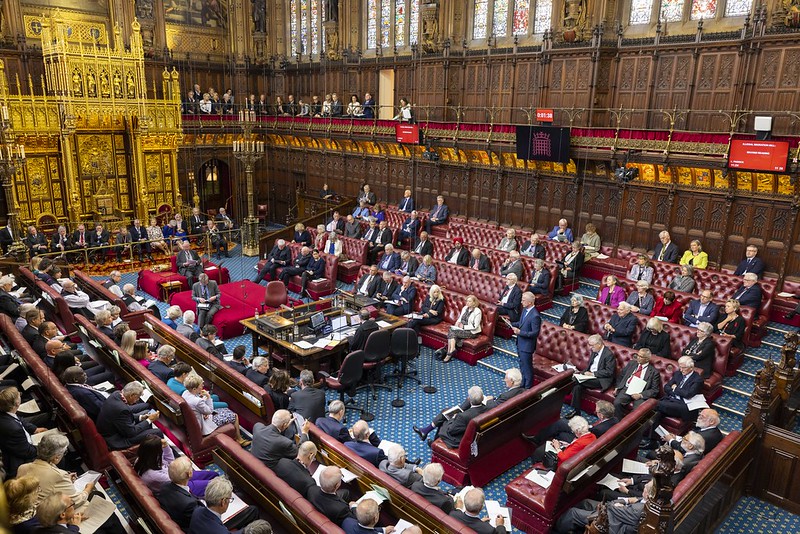
House of Lords (Hereditary Peers) Act 2026: How was it amended as it went through Parliament?

This briefing summarises changes made to the House of Lords (Hereditary Peers) Act 2026 as it went through Parliament. The House of Lords made amendments about the exclusion of hereditary peers and the abolition of by-elections, unsalaried ministers, the rights of life peers to sit in the Lords, and resignation from the Lords on behalf of a peer who lacks capacity. Only amendments on the latter subject were accepted by the House of Commons. The House of Lords did not insist on its other amendments.
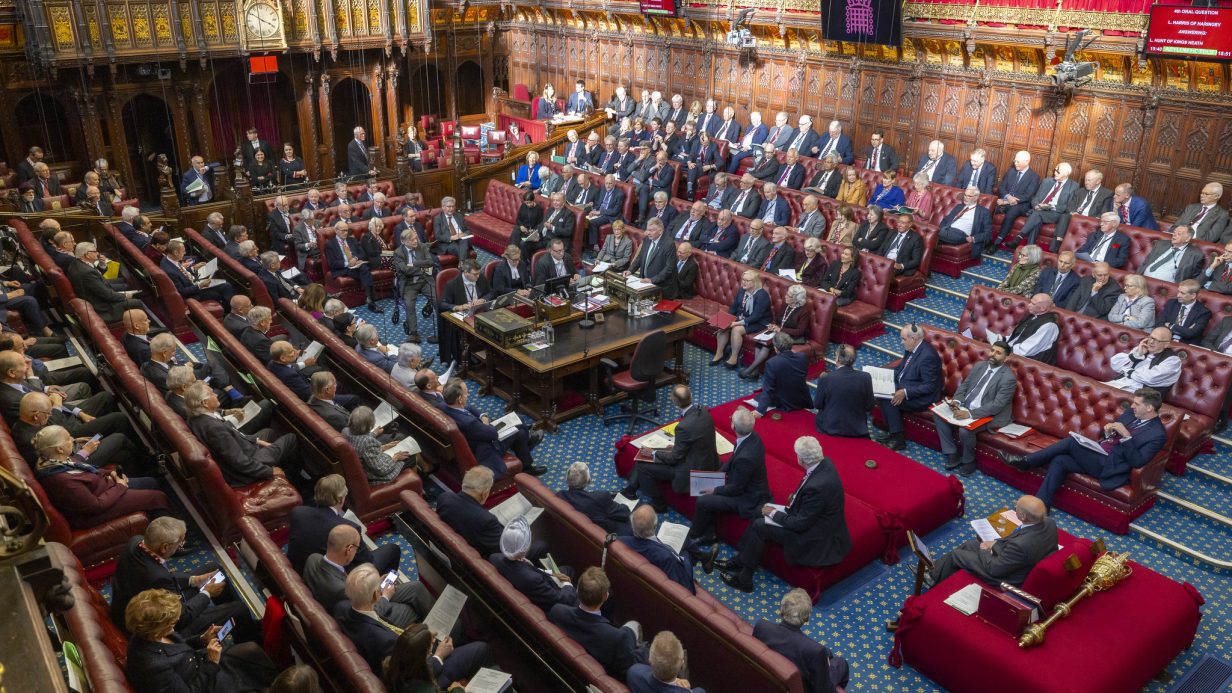
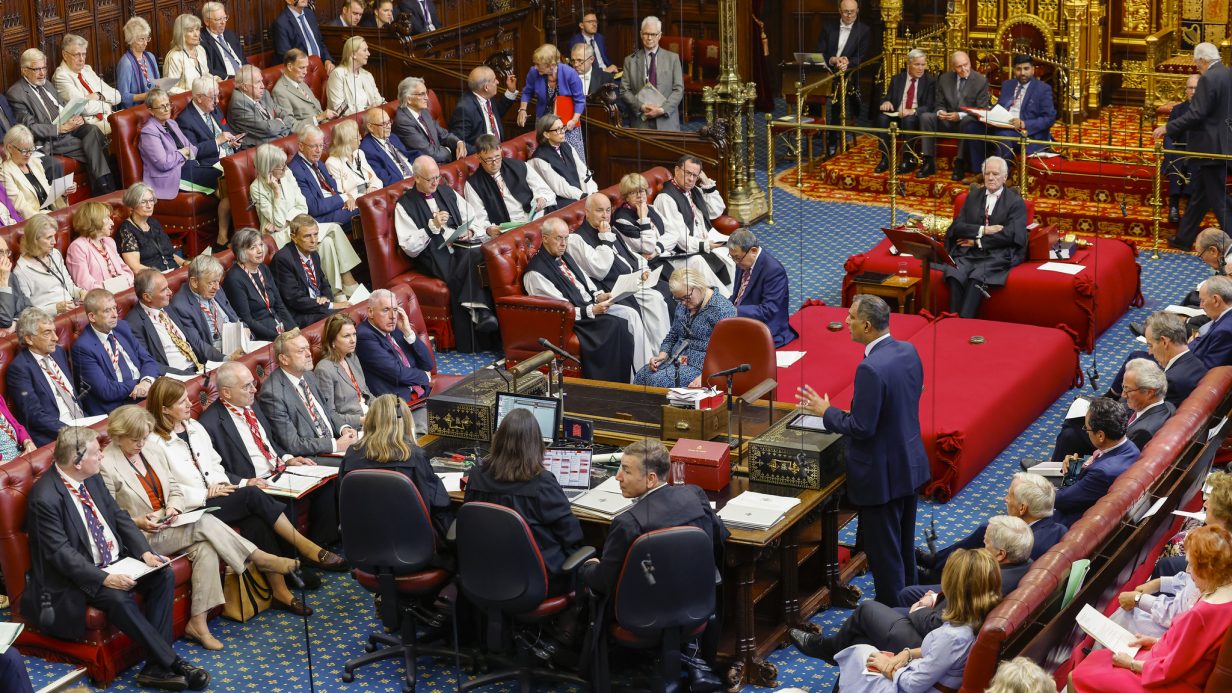
House of Lords (Hereditary Peers) Act 2026: How was it amended as it went through Parliament?

House of Lords (Hereditary Peers) Bill: Second reading in the House of Lords

The government’s House of Lords (Hereditary Peers) Bill would remove the right of hereditary peers to sit and vote in the House of Lords and abolish its jurisdiction in hereditary peerage claims. The bill completed its Commons stages unamended and was introduced in the House of Lords in November 2024. The bill’s second reading in the Lords took place on 11 December 2024. This briefing provides an overview of that debate and lists the areas which future amendments could focus on.

House of Lords (Hereditary Peers) Bill: Second reading in the House of Lords

House of Lords Appointments Commission: Role and powers

The House of Lords Appointments Commission (HOLAC) vets nominations to the House and recommends non-party political members. While its advice is usually followed, it is not a statutory body and the prime minister can choose to disregard its advice. This briefing provides an overview of the role and powers of the commission and summarises recent debates concerning its reform.

House of Lords Appointments Commission: Role and powers